What is Cranial Osteopathy?
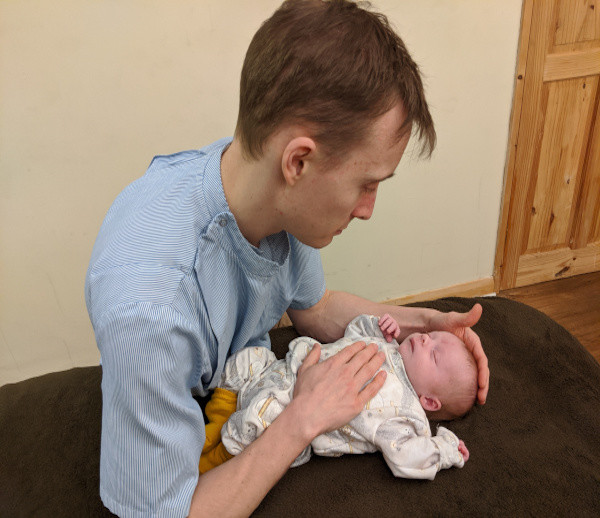
Cranial osteopathy is a very gentle form of osteopathy. The osteopath uses a highly trained sense of touch to feel subtle changes in tension and tissue quality throughout the whole body. This helps them identify areas of strain or dysfunction that may be stopping the body from relaxing and recovering well.
Instead of working only on the painful area, cranial osteopathy looks at how the whole body is coping. Many people choose this approach when medication alone isn’t enough, or when they want a more natural, hands-on way to support their body’s recovery.
During treatment, the cranial osteopath “listens” with their hands to the body and nervous system. Together with the client’s own natural healing responses, they find positions where unnecessary tension can slowly let go. In these positions of ease – which are different for everyone – very subtle changes in tissue quality can be felt.
Some of the relaxing holds your osteopath uses may also support the circulation of cerebrospinal fluid and help lymphatic drainage. As a result, the body can often settle into a calmer, more balanced state.
How can cranial osteopathy help babies and families?
Many new parents come to cranial osteopathy because they can see their baby is unsettled, but they can’t quite work out why. They may also feel tired, worried or guilty that nothing they try seems to help for long. Cranial osteopathy aims to gently support the baby’s comfort and relaxation, while also giving parents calm, non-judgemental reassurance.
Common reasons families bring their baby to a cranial osteopath include:
- Excessive crying or seeming “unsettled”
- Colic-like symptoms, wind or digestive discomfort
- Feeding or latching difficulties (alongside support from midwives, health visitors and lactation consultants)
- Disturbed sleep – difficulty settling or staying asleep
- A strong preference to turn the head one way, or a flat spot developing on one side
- After a long, very fast or complicated labour, including forceps, ventouse or C-section
- Babies who seem tense or “stiff” when lying on their back or being dressed
Parents themselves may also benefit when neck, shoulder or back pain from feeding and carrying is building up, or when they feel “wired and tired” and struggle to relax. Cranial osteopathy does not replace medical care, so if you have concerns about your baby’s health you should always speak to your midwife, health visitor, GP or paediatrician. However, as a gentle, hands-on approach alongside this, it may help your baby feel more settled, support easier feeding and sleep, and bring a little more calm into family life.
Cranial Osteopathy does not..
Although the word “cranial” can sound a bit worrying, cranial osteopathy is a very subtle technique that has been refined for over a century. It is not about forcing or “cracking” the skull.
Cranial osteopathy does NOT: